Treasure Coast CISM Mission
The mission of the TC CISM Team is to employ strategies that assist multidisciplinary personnel by providing support, training, education, and interventions to increase resilience during critical incidents.
Our Treasure Coast team has been actively assisting first responders since 1993. In 2018, the team became a 501(c) (3) nonprofit to increase outreach potential for Treasure Coast agencies & communities.
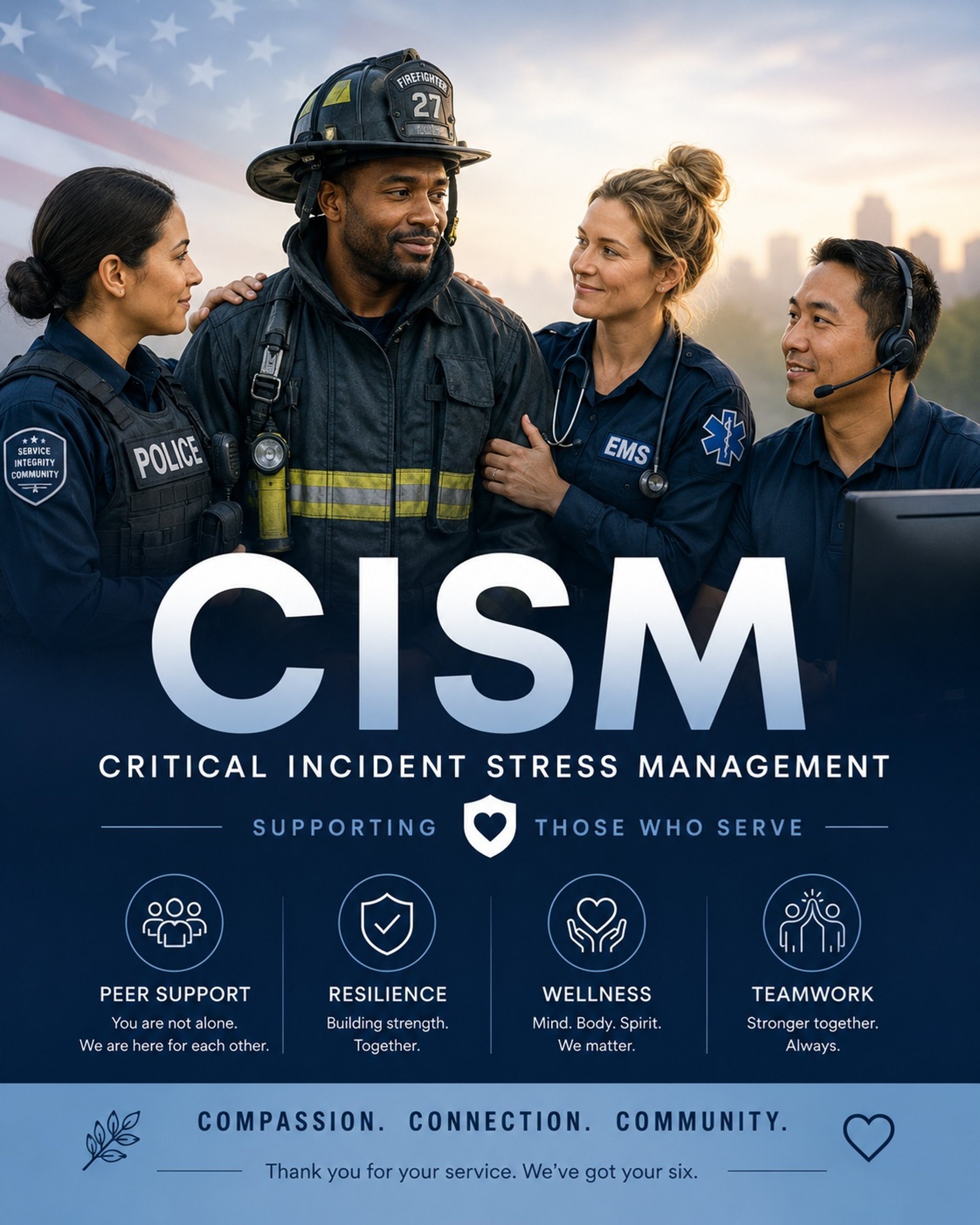
The acronym CISM is well known in the emergency services industry. A critical incident is any event that evokes strong emotions and overwhelms a person’s ability to cope. These techniques provide timely, valuable intervention for “first responders” who have chosen to serve others.
What would be considered a Critical Incident?
Examples of critical incidents that may require intervention are:
• Officer involved shooting
• Multi-casualty incidents
• Extraordinary or Prolonged events
• Suicide of a colleague
• Line of duty death or serious injury
• Death or violence involving children
• Significant events capable of causing emotional distress for those who are exposed to them.
These few examples are not all-inclusive.
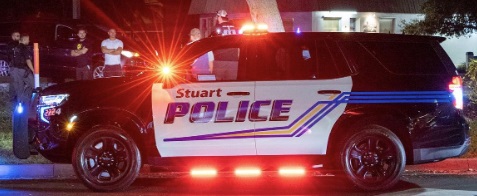

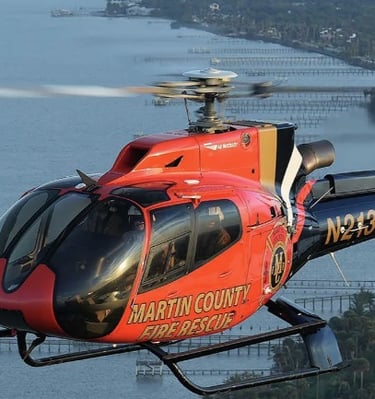

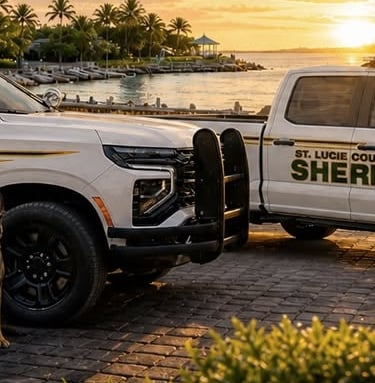
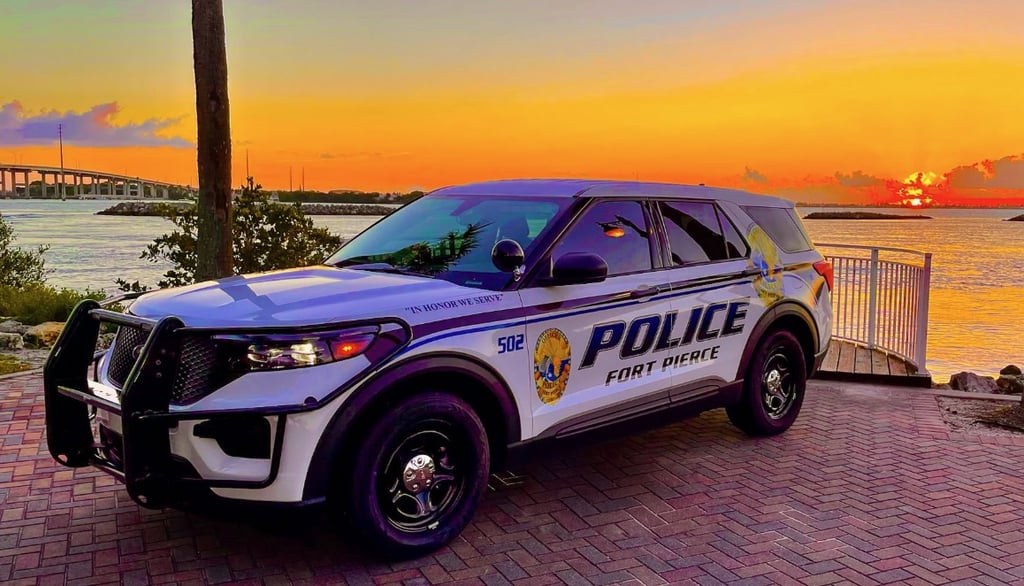
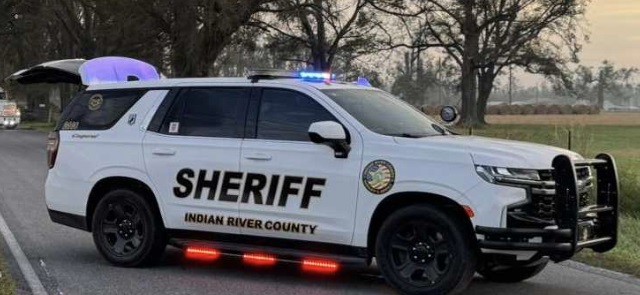

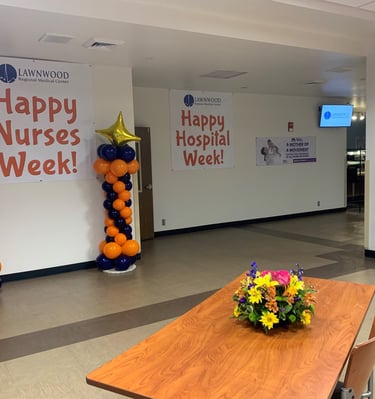
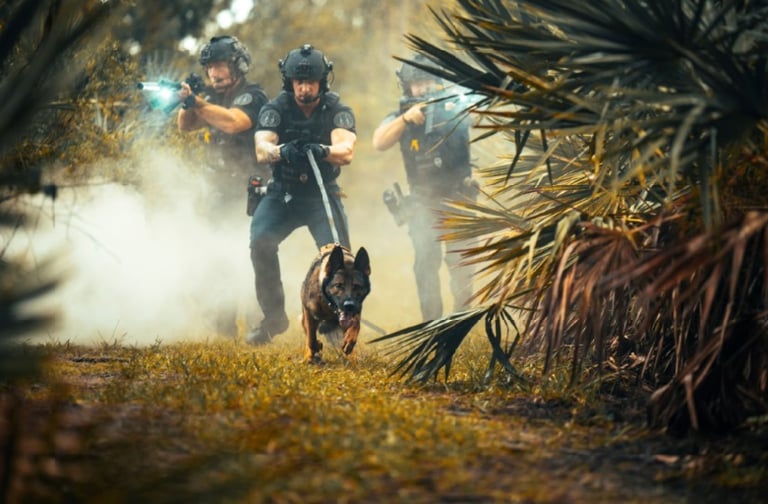
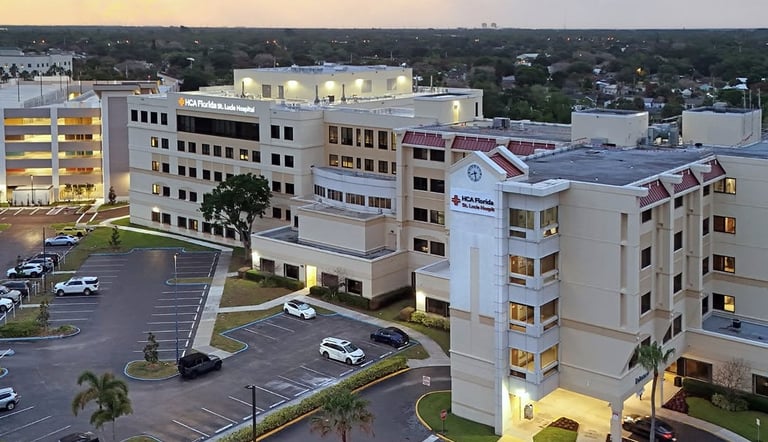
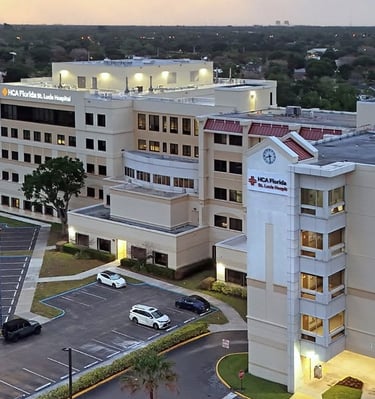
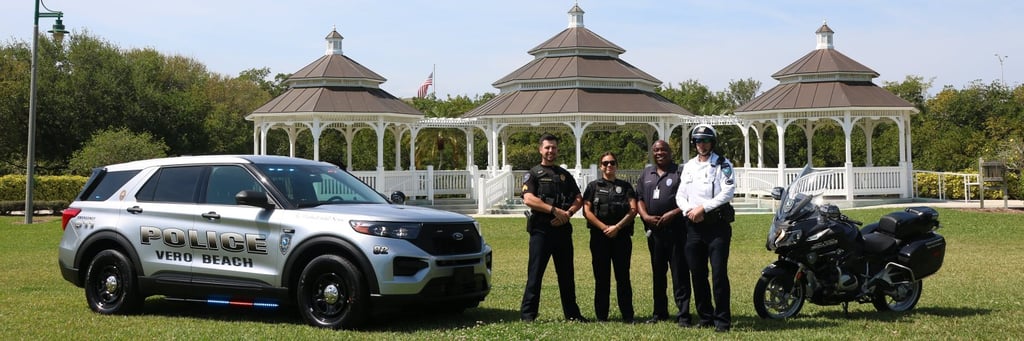
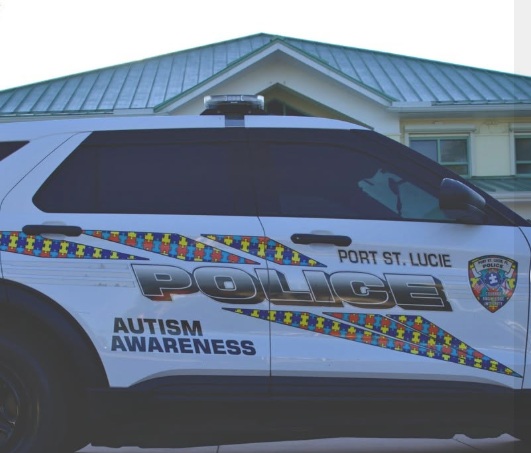
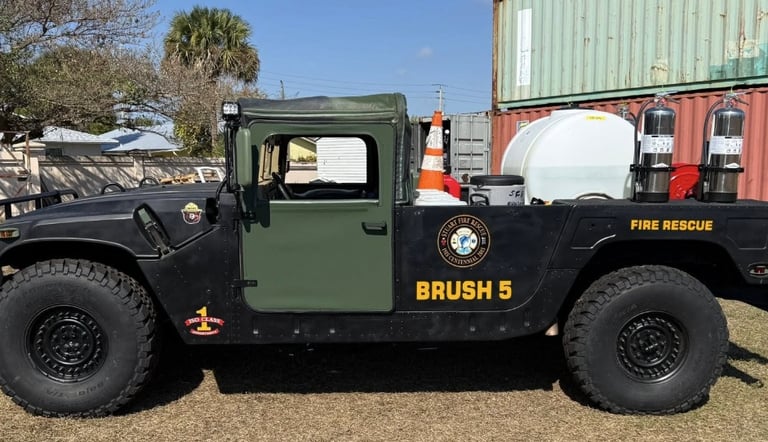
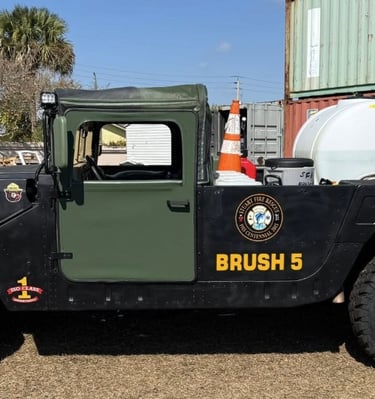
Agencies and professionals we serve.
About Critical Incident Stress Management (CISM)
Modern society is marked by continued change, uncertainty, and disruption. Natural disasters are occurring across the world with increasing frequency, while domestic violence, civil unrest, and other forms of social conflict remain serious concerns. Thousands of terrorist incidents are also reported globally each year. Research in the social sciences and psychiatry has consistently demonstrated that tragedy, trauma, and disaster can produce significant adverse psychological effects. From a public-health standpoint, disasters are also commonly followed by a substantial increase in the demand for mental-health services.
The field of disaster mental health began to take shape around 1991 and 1992, largely through the influential work of the American Red Cross and National Voluntary Organizations Active in Disaster, commonly known as NVOAD. This emerging field reflected a growing awareness that tragedy and disaster almost inevitably produce psychological consequences and that individuals affected by such events may require structured emotional and psychological support.
Over time, professionals also became increasingly aware that individuals working in helping occupations could experience compassion fatigue, secondary or vicarious trauma, and professional burnout following repeated exposure to suffering, injury, death, and human tragedy. During this period, however, relatively few standardized psychological crisis-intervention protocols were available. Formal training opportunities in psychotraumatology and disaster mental health were even more limited.
Definition of CISM
As used here, Critical Incident Stress Management refers to an established body of knowledge within psychological crisis intervention—sometimes described as early psychological intervention—and disaster mental health. The CISM model discussed in this context was developed during the 1980s by Dr. Jeffrey Mitchell while he was working at the University of Maryland, Baltimore County. It was designed to help identify and reduce acute psychological distress commonly experienced by emergency-services personnel, hospital and trauma-care professionals, disaster-response workers, and others exposed to critical incidents.
CISM has also been applied in military settings and throughout the workplace. It should not be viewed as a single procedure or isolated technique. Rather, CISM is an integrated, multicomponent continuum of psychological support that may be provided, when appropriate, following acute adversity, traumatic events, or disasters. Its individual components are selected according to the circumstances and the needs of the population receiving assistance.
CISM is not intended to serve as treatment for acute stress disorder, post-traumatic stress disorder, trauma-related depression, bereavement, or complicated grief. Instead, it represents one approach to stabilizing individuals and reducing immediate psychological distress following exposure to a critical event. The model has achieved a degree of international recognition and use, having been taught in more than 29 countries and adapted by the United Nations for use with its field personnel.
Treasure Coast CISM Board Members
Executive Director Fred Knaggs
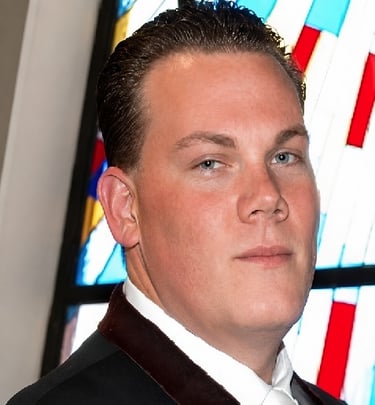
Executive Director Fred Knaggs is a veteran law enforcement professional with extensive experience in public safety, criminal investigations, emergency response, communications, and community engagement. Throughout his career, he has remained committed to serving others, strengthening public-safety partnerships, and supporting professionals who respond to critical incidents and traumatic events.
As Executive Director of the Treasure Coast Critical Incident Stress Management Team, Fred provides leadership, strategic direction, and coordination for the team’s regional peer-support and crisis-intervention mission. He works closely with law enforcement officers, firefighters, emergency communications personnel, mental-health professionals, agency leaders, and community partners to help ensure first responders have access to appropriate support following critical incidents and other high-stress events.
His investigative and public-relations background has strengthened his ability to assess complex situations, communicate effectively, manage sensitive information, and build trust with diverse groups. His firsthand understanding of the cumulative stress and trauma faced by public-safety professionals guides his commitment to promoting resilience, reducing stigma, and reinforcing that seeking support is a professional strength.
Through his leadership with TCCISM, Fred advocates for education, peer support, early intervention, and coordinated crisis-response services to help build a stronger and more resilient public-safety community.
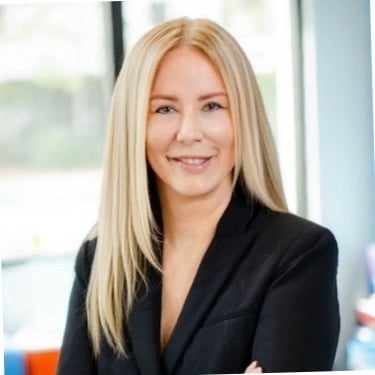
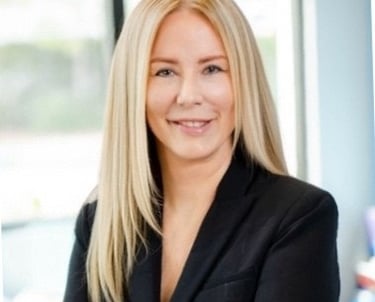
Clinical Director Anita Cocoves
Clinical Director Anita Cocoves is an accomplished licensed clinical professional, psychotherapist, and State-Certified Clinical Supervisor with extensive experience in government and nonprofit administration. Throughout her career, she has demonstrated a strong ability to develop innovative, practical solutions to complex societal, organizational, and behavioral-health challenges.
Dr. Cocoves holds both a Doctor of Philosophy (PhD) and a Doctor of Education (EdD), reflecting her advanced expertise in clinical practice, leadership, education, and program development. Her professional background includes clinical supervision, psychotherapy, organizational administration, community-based service delivery, and the development of programs designed to support individuals, families, professionals, and communities.
As Clinical Director, Dr. Cocoves provides experienced leadership, clinical guidance, and oversight while promoting ethical practice, professional development, resilience, and effective mental-health support. Her combined clinical, academic, governmental, and nonprofit experience enables her to approach difficult issues with insight, compassion, sound judgment, and a commitment to meaningful and sustainable outcomes.
Co-Secretary and Co-Coordinator Dicey Jones is a dynamic and dedicated healthcare leader with a distinguished 28-year career at HCA Healthcare. Throughout her career, she has demonstrated extensive expertise in emergency department operations, healthcare administration, organizational leadership, and performance improvement.
Dicey played an instrumental role in advancing regional trauma care as a foundational architect in the development and launch of the Treasure Coast’s first Level II Trauma Center. Her experience also includes large-scale Electronic Medical Record implementation, clinical process improvement, regulatory compliance, and the use of data-driven strategies to strengthen patient care, operational efficiency, and organizational outcomes.
In addition to her healthcare leadership, Dicey has maintained a longstanding commitment to Critical Incident Stress Management. Through decades of active CISM service, she has supported healthcare workers, first responders, and public-safety professionals following critical incidents and other high-stress events. Her clinical knowledge, administrative experience, and understanding of occupational stress provide valuable perspective in supporting resilience and coordinated peer-support services.
Dicey holds a Bachelor of Science in Nursing and a Master of Business Administration. In her leadership role with TCCISM, she contributes experience, professionalism, and a strong commitment to supporting the mental and emotional well-being of those who serve their communities.
Co-Secretary & Co- Coordinator Dicey Jones
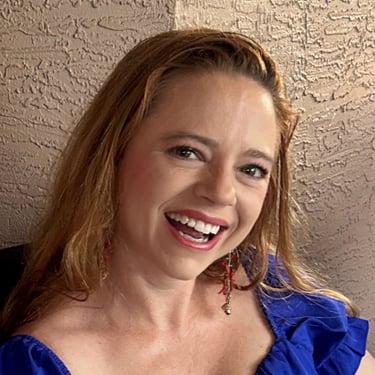
Co-Treasurer Ariel Daily
Co-Treasurer Ariel Daily is a distinguished law enforcement professional whose career has been grounded in integrity, respect for the criminal justice system, and compassion for those who serve in public safety. Through her professional experience, she has developed a strong understanding of the responsibilities, operational pressures, and emotional challenges faced by law enforcement officers and other first responders.
Ariel brings professionalism, sound judgment, and a service-oriented perspective to her role with TCCISM. As Co-Treasurer, she supports the organization through responsible financial stewardship while remaining committed to its broader mission of peer support, resilience, and critical incident stress management.
Her dedication to first responder wellness reflects her belief that those who protect and serve their communities should have access to meaningful support during times of crisis, occupational stress, and recovery.
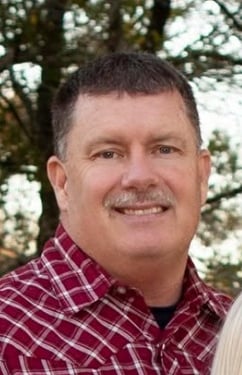
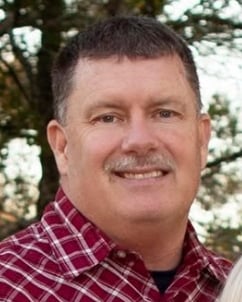
Co-Treasurer Don McDilda
Co-Treasurer Don McDilda is the former President of the TCCISM Executive Board and a respected public-safety professional with an honorable career as a Firefighter Engineer. His service has been defined by operational leadership, professionalism, and a steadfast commitment to protecting and supporting both the community and his fellow first responders.
Throughout his career, Don has developed a strong understanding of the demands, stressors, and critical incidents encountered by fire-rescue and public-safety personnel. He has remained actively involved in peer support and critical incident stress debriefings, providing guidance and assistance to those affected by traumatic or high-stress events.
In his current role as Co-Treasurer, Don continues to support TCCISM’s mission through responsible organizational stewardship, experienced leadership, and a longstanding dedication to first responder wellness, resilience, and recovery.
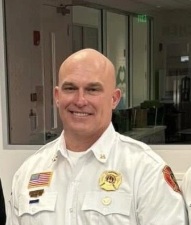
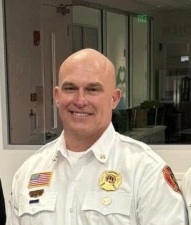
Co-Team Coordinator Jason Kipp
Co-Team Coordinator Jason Kipp is a dedicated EMS Captain and 25-year veteran first responder with extensive experience in emergency medical services, operational leadership, and public safety. Throughout his career, he has earned recognition for his professionalism, sound judgment, and steadfast commitment to serving the community.
Jason brings a practical understanding of the demands, pressures, and critical incidents encountered by emergency personnel. In his role with TCCISM, he helps coordinate team operations, support peer-response efforts, and ensure appropriate resources are available to first responders following traumatic and high-stress events.
His leadership, field experience, and commitment to first responder wellness make him a valued part of TCCISM’s mission to promote resilience, recovery, and support throughout the public-safety community.
Co-Secretary Marilyn Case
Co-Secretary Marilyn Case is an accomplished healthcare leader and registered nurse with more than two decades of experience in nursing education, administration, professional development, and clinical operations. A former Director of Education at HCA Florida Lawnwood Hospital in Fort Pierce, she has served on the hospital’s administration and education team since November 2000.
Her career has been defined by a commitment to strengthening healthcare teams, supporting workforce readiness, and promoting effective education in demanding clinical environments. Her experience has also provided valuable insight into the operational pressures, emotional demands, and critical incidents encountered by healthcare professionals and first responders.
Marilyn holds a Master of Science in Business and a Bachelor of Science in Nursing, combining a strong clinical foundation with advanced administrative and organizational expertise. As Co-Secretary of TCCISM, she supports the organization through effective communication, documentation, coordination, and administrative leadership while advancing its mission of peer support, resilience, education, and critical incident stress management.
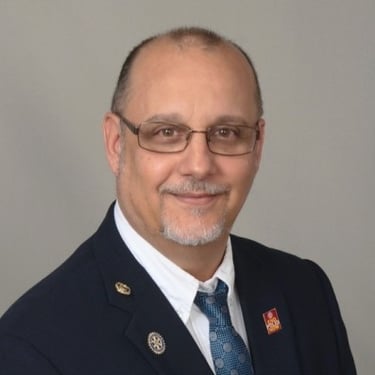
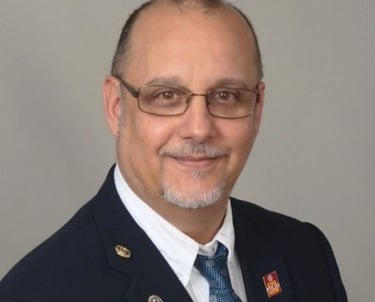
Lyle Fried is an experienced behavioral-health professional, pastoral counselor, educator, ordained pastor, and law enforcement chaplain with more than 20 years of service supporting veterans, first responders, individuals in recovery, and vulnerable populations.
He holds doctoral degrees in pastoral counseling. His professional credentials include Florida Board-Certified Addictions Professional, Internationally Certified Alcohol and Drug Counselor, Certified Master’s Mental Health Coach, Certified Health Coach, ICISF Approved Instructor, and Approved Training Provider through the Florida Certification Board.
In addition to his clinical and administrative experience, Lyle has held leadership roles with recovery residences, addiction-service organizations, homeless coalitions, Rotary International, faith-based ministries, and community programs. As a member of the TCCISM Team and Board of Directors, he brings extensive experience in crisis support, addiction recovery, pastoral care, education, and first responder wellness.
Lyle R. Fried, Member At Large
Rob Newman is a Firefighter Paramedic and Flight Paramedic with the St. Lucie County Fire District (SLCFD), where he has served for more than 23 years. He also serves as a Flight Nurse with Air Methods Corporation, a role he has held for the past five years. Prior to his career in fire and emergency medical services, Rob served 12 years in law enforcement. His extensive experience in public safety has given him a unique perspective on the challenges faced by first responders and the importance of supporting those who serve.
Rob has been an active member of the SLCFD Critical Incident Stress Management (CISM) Team for more than 22 years and has served on the SLCFD Peer Support Team for the past six years. For more than two years, he has been a member and board member of the Treasure Coast Critical Incident Stress Management (TCCISM) Team. Rob is also a K9 handler with his canine partner, Malone. Together, they have completed canine therapy training through Dog Training Elite and are members of the State of Florida Canine Therapy and Crisis Response Team. Rob and Malone also volunteer their time with Misty’s Pals and are recognized by the Alliance of Therapy Dogs, the American Kennel Club, and the First Responder Therapy K9 Association.
Rob is especially passionate about canine therapy and the role that therapy and crisis-response canines can play in supporting first responders during difficult and critical moments. He believes that sometimes the presence of a trusted canine companion can provide comfort and connection when words are not enough.
Outside of his professional and volunteer commitments, Rob enjoys staying active at the gym, listening to music, and playing guitar in his free time.
Rob Newman, Member At Large
Michael Gardner is an EMS Fire Captain and Fire-Medic with more than 23 years of experience in emergency medical services, fire-rescue operations, and public safety. Throughout his career, he has demonstrated strong leadership, sound judgment, and a steadfast commitment to serving both the community and his fellow first responders.
His extensive field experience has given him a firsthand understanding of the operational pressures, cumulative stress, and emotional impact associated with critical incidents. Michael is dedicated to supporting emergency personnel through Critical Incident Stress Management, peer support, and compassionate intervention following traumatic or high-stress events.
Through his involvement with TCCISM, Michael contributes valuable operational knowledge, leadership experience, and a sincere commitment to first responder wellness. His service helps advance the team’s mission of promoting resilience, recovery, and meaningful support throughout the public-safety community.
Michael Gardner, Member At Large
Member at Large Jorge Goz is a career law enforcement officer with extensive experience in school-based public safety, community engagement, and relationship building. Goz was recognized as St. Lucie Public Schools’ School Resource Officer of the Year for his leadership, dedication to student safety, and positive impact within the school community.
Throughout his career, Goz has demonstrated a strong ability to build trust with students, families, educators, and fellow public-safety professionals. His approachable leadership style and commitment to prevention, education, and early intervention have helped foster safer and more supportive environments for those he serves.
Goz also serves as the handler of a Therapy K-9, providing an additional source of comfort, connection, and emotional support during stressful or traumatic situations. As a Member at Large with TCCISM, Goz contributes valuable law enforcement experience, compassion, and a continued commitment to peer support, resilience, and the well-being of first responders and the communities they serve.
Jorge Goz, Member At Large
Member at Large Maegan Richardson is a dedicated law enforcement officer with a strong commitment to public service and a passion for promoting mental health awareness within the first responder community. As the newest Member at Large of the TCCISM Board, she brings a valuable operational perspective and a sincere interest in supporting the emotional well-being of those who serve in high-stress professions.
Through her law enforcement experience, Maegan has developed a firsthand understanding of the pressures, cumulative stress, and critical incidents encountered by public-safety personnel. She recognizes the importance of early intervention, peer support, education, and access to appropriate resources following traumatic or high-stress events.
In her role with TCCISM, Maegan contributes compassion, professionalism, and a commitment to reducing the stigma associated with seeking help. Her involvement supports the team’s broader mission of strengthening resilience, promoting first responder wellness, and ensuring that public-safety professionals know they do not have to face difficult experiences alone.
Maegan Richardson, Member At Large
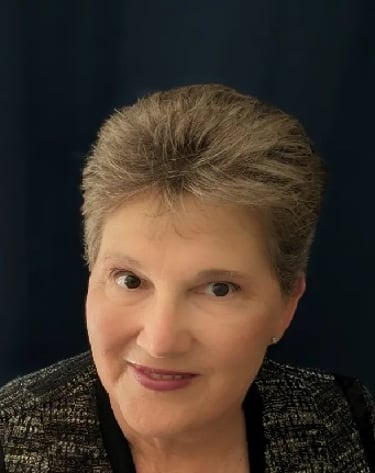
Member at Large Cindy Krosky is the former Clinical Director of TCCISM and an accomplished keynote speaker, facilitator, trainer, author, and executive coach. She is a Certified Speaking Professional, a member of the National Speakers Association, and an ICISF Approved and Certified Instructor in Critical Incident Stress Management for Groups.
Cindy brings more than 15 years of experience serving as the Clinical Director of the TCCISM team, supporting first responders. Her clinical expertise includes group dynamics, mass-disaster response, workplace violence, domestic terrorism, compassion fatigue, suicide prevention, and individual and group crisis intervention.
She also serves as Clinical Director for GRAZE, a Critical Incident Stress Management Team supporting zoo and aquarium professionals. Through her work, Cindy helps individuals, teams, and organizations navigate critical events, strengthen communication, improve cohesion, and develop post-traumatic growth.
As a Member at Large with TCCISM, Cindy contributes extensive clinical experience, instructional leadership, and a longstanding commitment to resilience, recovery, and the well-being of first responders.
Cindy Krosky, Member At Large


© 2026. All rights reserved.